
How Can We Help?
7 WHOIS Essential Things Beginners Must Know (And How to Protect Your Domain Information)
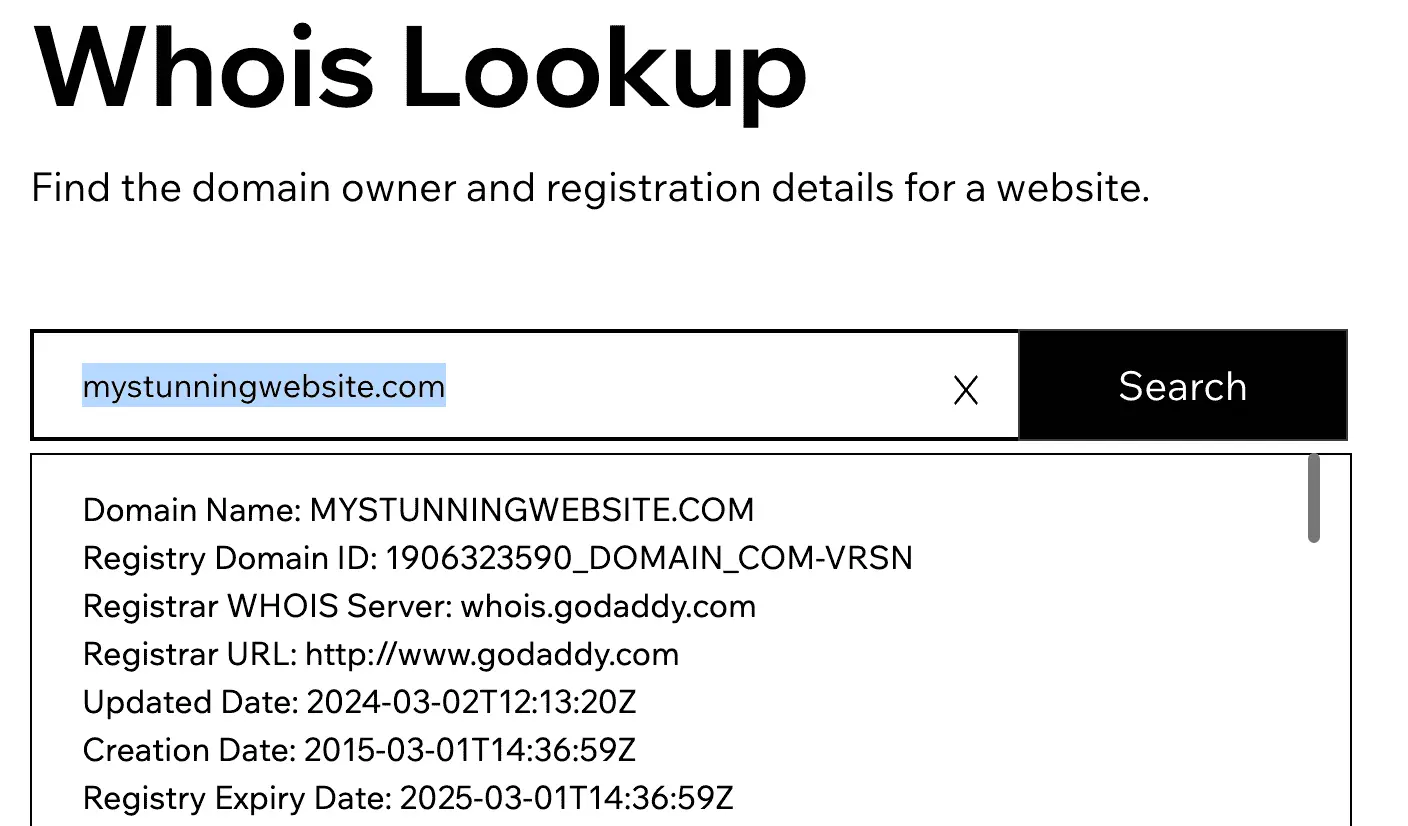
When you register a domain name, your contact information doesn’t just sit quietly in an account. It becomes part of a public database called WHOIS, where anyone can look up the owner of a domain. For beginners, this can be surprising — and sometimes risky — if you don’t understand how WHOIS works or how to protect your personal details.
This guide breaks down WHOIS in simple terms and shows you how to keep your domain information safe.
1. What Exactly Is WHOIS?
WHOIS is a public directory that stores information about domain name ownership.
It includes:
- Your name
- Your address
- Your phone number
- Your email
- Your registrar
- Your domain’s registration and expiration dates
This system was created to help maintain transparency and accountability on the internet.
2. Why WHOIS Information Is Public
WHOIS was originally designed so:
- Network administrators could contact domain owners
- Law enforcement could investigate abuse
- Businesses could verify ownership
- Users could check domain availability
Over time, this openness created privacy concerns — especially for individuals and small businesses.
3. The Risks of Exposed WHOIS Data
When your WHOIS information is public, it can be scraped or misused.
Common risks include:
- Spam and phishing emails
- Telemarketing calls
- Identity theft attempts
- Business impersonation
- Harassment or stalking
- Competitive intelligence gathering
This is why domain privacy has become essential for modern website owners.
4. WHOIS Privacy Protection (Domain Privacy)
Most registrars offer WHOIS Privacy Protection,
also called:
- Domain Privacy
- WHOIS Guard
- Private Registration
This service replaces your personal information with the registrar’s proxy details.
Example: Instead of showing your name and address, WHOIS displays the registrar’s privacy service.
5. How WHOIS Privacy Works
When privacy is enabled:
- Your name → becomes “Private Registration”
- Your email → becomes a protected forwarding address
- Your phone → becomes the registrar’s proxy number
- Your address → becomes the registrar’s privacy address
You still own the domain — your information is simply shielded.
6. WHOIS and GDPR
GDPR changed how WHOIS data is displayed for EU residents. Many registrars now redact personal information automatically, but this does NOT replace full privacy protection.
GDPR redaction ≠ complete privacy Domain privacy still provides stronger protection.
7. How to Enable WHOIS Privacy at Next Wave Host
If your domain is registered through Next Wave Host, enabling WHOIS privacy is simple:
Inner Links (Replace with Your URLs)
Once activated, your personal details are hidden instantly.
Final Thoughts
WHOIS is an important part of how the internet works, but it can expose more information than most beginners realize. By understanding WHOIS and enabling domain privacy, you protect your identity, reduce spam, and keep your online presence secure.
If you own a domain — especially for a business — WHOIS privacy isn’t optional. It’s essential.
What is WHOIS?
WHOIS is a public database that displays domain ownership details such as your name, email, phone number, and address. It was originally created to help administrators and organizations contact domain owners when needed.
Why is my information visible in WHOIS?
When you register a domain, ICANN requires registrars to collect your contact details. Without privacy protection, these details are published publicly, making them accessible to anyone — including automated bots.
What are the risks of public WHOIS data?
Public WHOIS information can lead to spam, phishing attempts, identity theft, competitive monitoring, and unwanted contact. Cybercriminals often scrape WHOIS records to target domain owners with convincing scams.
How does Domain Privacy protect me?
Domain Privacy replaces your personal information with the registrar’s proxy details. Your name, address, phone number, and email are hidden, while you retain full ownership and control of your domain.
Does GDPR hide my WHOIS information automatically?
GDPR redacts some WHOIS fields for EU residents, but it does not fully protect your identity. Many TLDs still show partial data, and non‑EU domains remain exposed. Domain Privacy remains the strongest protection.
Can I enable WHOIS Privacy after registering my domain?
Yes. You can activate WHOIS Privacy at any time through your domain management dashboard. Once enabled, your personal details are hidden immediately.
Does WHOIS Privacy affect domain ownership?
No. You remain the legal owner of the domain. Privacy simply shields your personal information from public view.
Is WHOIS Privacy included with all domains?
Some registrars include it for free, while others offer it as an add‑on. Check your domain provider’s features to confirm whether privacy is included or optional.
Can businesses use WHOIS Privacy?
Yes. Both individuals and businesses can use WHOIS Privacy. Many companies enable it to protect staff information, reduce spam, and prevent competitive intelligence gathering.
How do I enable WHOIS Privacy at Next Wave Host?
You can activate WHOIS Privacy directly from your domain dashboard.